Burnout Lives in the Body: What a Sleep Study Taught Me About Rest, Energy, and Listening to Yourself
Estimated Reading Time: 4 MinutesFor most of my life, sleep came easily.
I was the kind of person who could fall asleep in under five minutes. It was a running joke with my family and friends—once I rolled onto my stomach, my preferred sleeping position, I was out. Sleep was automatic. Reliable. Effortless.
Then suddenly, it wasn’t.
I went from falling asleep instantly to averaging three hours of sleep a night. And that’s how I knew something was wrong.
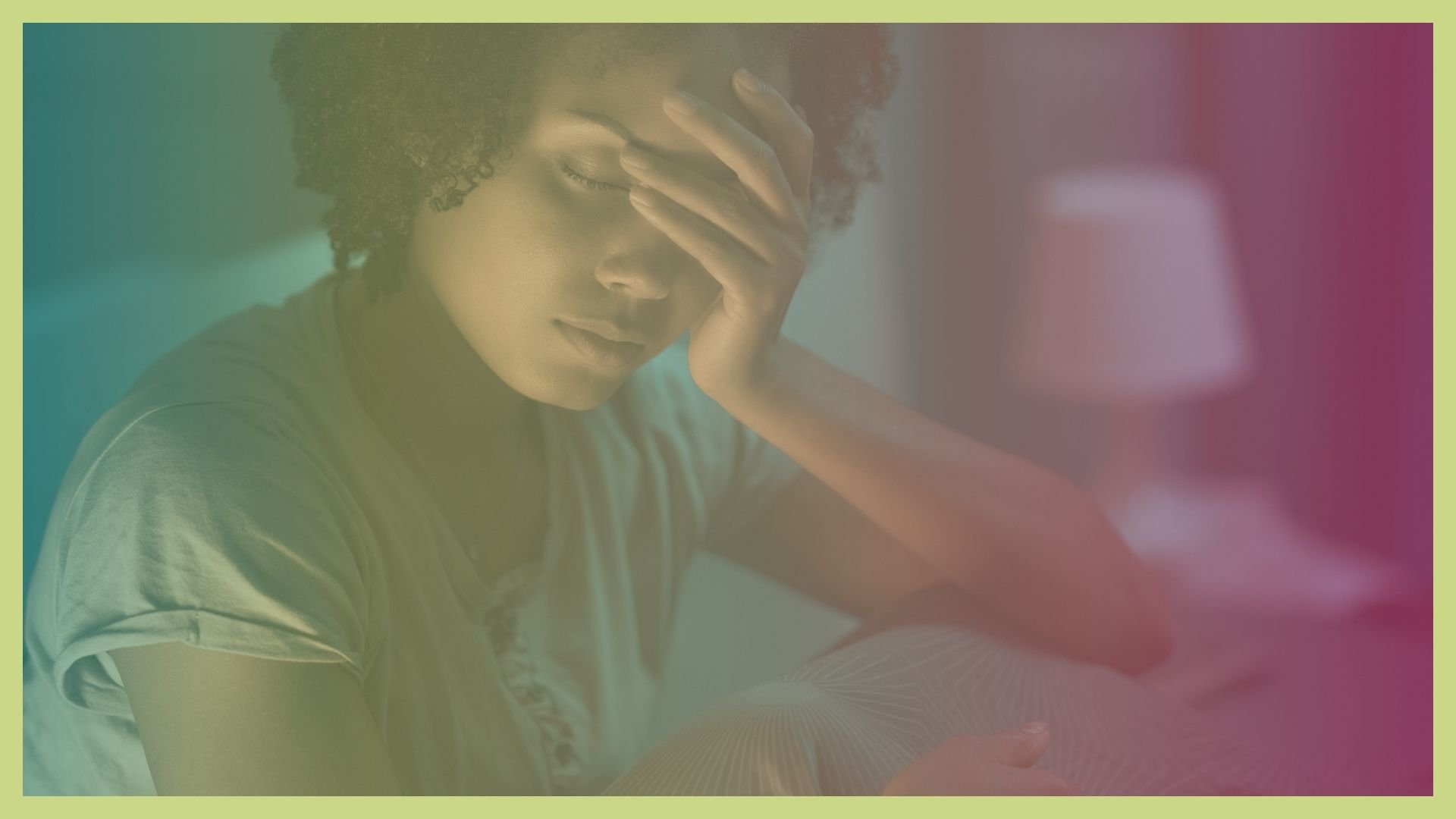
When Burnout Stops Being Mental
I’m writing this after completing a sleep study—not because I “forgot” how to sleep, but because my body changed. And what that change revealed forced me to confront something we don’t talk about enough:
Burnout doesn’t just live in your thoughts. It lives in your body.
We often frame burnout as a mindset issue. A motivation problem. A productivity imbalance. But my experience showed me that burnout can manifest physically long before we consciously acknowledge it.
For me, it showed up as disrupted sleep, panic awakenings, and a nervous system that refused to calm down—even when nothing in my life seemed outwardly “wrong.”

What Is a Sleep Study
(and Why It Matters for Burnout)
A sleep study is a medical test that examines how your body behaves while you sleep. It doesn’t just measure how long you sleep—it monitors your brain activity, nervous system responses, breathing patterns, heart rhythm, muscle tension, and oxygen levels.
Sleep studies are often recommended when someone experiences:
Insomnia or fragmented sleep
Panic awakenings
Unexplained exhaustion
Feeling “tired but wired”
At its core, a sleep study answers one essential question:
Is your body actually able to rest—even when you’re trying to?
My Experience With the Sleep Study
The process itself wasn’t painful, just uncomfortable.
I arrived early, completed paperwork, and was hooked up to sensors on my scalp, chest, eyes, waist, and finger. There were cords everywhere. Sleeping normally felt nearly impossible.
But that’s the point.
You don’t have to sleep well for the study to work. Every moment of restlessness, wakefulness, and disruption provides valuable insight into how your body responds to rest.
When Sleep Became a Warning Signal
The real issue wasn’t just that I wasn’t sleeping—it was how my body was reacting.
Around Thanksgiving, I had my first sleepless night. Then another. Then panic awakenings so intense I had to turn on all the lights and pace my room just to calm my nervous system.
I’d never experienced panic attacks before. I wasn’t anxious about anything specific. Nothing dramatic had changed in my life.
But my body was on high alert.
That’s when it clicked:
My nervous system didn’t feel safe enough to rest.
Why Sleep Is Central to Burnout Recovery
Sleep is when the body turns off survival mode and enters repair mode.
During sleep, your body restores:
Your nervous system
Brain function and emotional regulation
Hormones and metabolism
Heart and immune health
Muscle and tissue repair
When sleep is disrupted, your body never receives the signal that it’s safe. The nervous system stays stuck in fight-or-flight.
This can lead to:
Increased anxiety and panic
Hypervigilance
Brain fog and poor concentration
Emotional reactivity
Decision fatigue
Blood sugar instability
Chronic exhaustion
Physical pain and slower healing
This isn’t weakness.
It’s physiology.
Burnout Is Not “Just a Mindset Problem”
We often hear advice like:
“Just change your mindset.”
“Think positive.”
“Push through.”
That kind of thinking borders on toxic positivity.
Yes, mindset matters—but it’s only the beginning. You cannot think your way out of a dysregulated nervous system. Action, rest, and regulation must follow.
Sometimes your body taps out before your brain does.
And when that happens, it forces you to listen.
Why I’m Sharing This
I’m not sharing this for sympathy. I’ll receive my sleep study results soon, and I’m actively working on repairing my relationship with rest.
I’m sharing this because I know I’m not alone.
If your body has been trying to get your attention—through poor sleep, anxiety, exhaustion, or panic—you’re not imagining it. Ignoring it doesn’t make it go away. It only makes it louder.
A Reminder to Listen to Your Body
This is especially important for people who put themselves last.
For men who avoid doctors until something is seriously wrong.
For women who care for everyone else before themselves.
If something feels off, get it checked out. I would rather it be nothing than something preventable that escalates.
Burnout is real.
It’s physical.
And your body deserves to be listened to.
Final Reflection
If your body has ever forced you to slow down before your mind was ready, you’re not alone.
That moment might not be a breakdown.
It might be information.
And learning to listen could be the beginning of healing.